SE16 gardeners for terrace makeovers by Bermondsey Spa: a practical guide to smarter outdoor space
If your terrace feels more like a narrow afterthought than a place you want to use, you are not alone. Many homes in SE16 have outdoor spaces that are compact, exposed, and a bit awkward to furnish. That is exactly where SE16 gardeners for terrace makeovers by Bermondsey Spa can make a real difference. With the right planning, even a small terrace can become a calm spot for morning coffee, a dinner corner that actually gets used, or a green pocket that softens the hard edges of London living.
This guide walks through what a terrace makeover involves, how the process usually works, what to look out for, and how to get a result that feels stylish without becoming high-maintenance. It also covers the practical stuff people often forget at the start, which, to be fair, is usually where the best results are won or lost.
Table of Contents
- Why SE16 gardeners for terrace makeovers by Bermondsey Spa Matters
- How SE16 gardeners for terrace makeovers by Bermondsey Spa Works
- Key Benefits and Practical Advantages
- Who This Is For and When It Makes Sense
- Step-by-Step Guidance
- Expert Tips for Better Results
- Common Mistakes to Avoid
- Tools, Resources and Recommendations
- Law, Compliance, Standards, or Best Practice
- Options, Methods, or Comparison Table
- Case Study or Real-World Example
- Practical Checklist
- Conclusion
- Frequently Asked Questions
Why SE16 gardeners for terrace makeovers by Bermondsey Spa Matters
Terraces in SE16 often need more than a quick tidy-up. They tend to sit between walls, fences, railings, and neighbouring buildings, which means they can feel either exposed to the elements or boxed in and dark. A thoughtful makeover changes that balance. It turns the terrace into a usable part of the home rather than a space you glance at through the window and promise to sort later.
That matters for several reasons. First, a good terrace design can improve how you use your home every day. Second, it can make a small property feel better proportioned and more welcoming. Third, well-chosen planting and materials can reduce maintenance, which is a big deal if you would rather enjoy the terrace than spend every weekend rescuing it from neglect.
In Bermondsey Spa and the wider SE16 area, terrace makeovers often need a local understanding of light, privacy, wind exposure, and the realities of London paving and access. You are not designing a country garden. You are working with a compact urban site, and that changes everything. The trick is to make the space feel restful, not crowded.
Expert summary: a successful terrace makeover is less about adding lots of things and more about choosing the right few things. Structure, drainage, planting, and furniture scale usually matter more than visual noise. Keep that in mind and you are already ahead of the game.
How SE16 gardeners for terrace makeovers by Bermondsey Spa Works
A terrace makeover usually starts with a site assessment. A gardener or landscape specialist will look at size, aspect, drainage, access, existing surfaces, boundaries, and how you want to use the space. Are you after low-maintenance greenery, a more social seating area, or a compact outdoor room? The answer shapes every decision that follows.
From there, the work tends to move through a few clear stages:
- Assessment and brief: measuring the space, understanding light and shade, and learning how much maintenance you can realistically manage.
- Design and planning: deciding on layout, planting style, storage, screening, containers, and surface treatment.
- Preparation: clearing the terrace, checking drainage, improving containers or raised beds, and making sure the base is suitable for the chosen materials.
- Installation: adding planters, planting schemes, features, furniture, lighting, and any small hard landscaping elements.
- Finishing and aftercare: watering, mulching, pruning, and setting up a routine that keeps the space looking good.
In practice, the best results come when design and maintenance are planned together. A terrace with beautiful plants but no watering plan can look wonderful for a week. Then the London weather has a word. A smart gardener will think about irrigation, wind protection, and container choice at the same time as colour and texture.
If you are comparing providers, it helps to review the full range of gardening services so you can see how a terrace project fits alongside planting, maintenance, and seasonal care. For practical budgeting, the pricing and quotes page can also help you understand how projects are usually approached.
Key Benefits and Practical Advantages
Done well, a terrace makeover brings more than visual improvement. It can genuinely change how a home feels from the inside out. A view of layered planting, clean lines, and a tidy layout tends to make the whole property feel calmer. Sounds a bit grand, maybe, but it is true. You notice it on a grey morning as much as on a sunny evening.
- Better everyday use: a terrace can become a place for eating, reading, working, or entertaining.
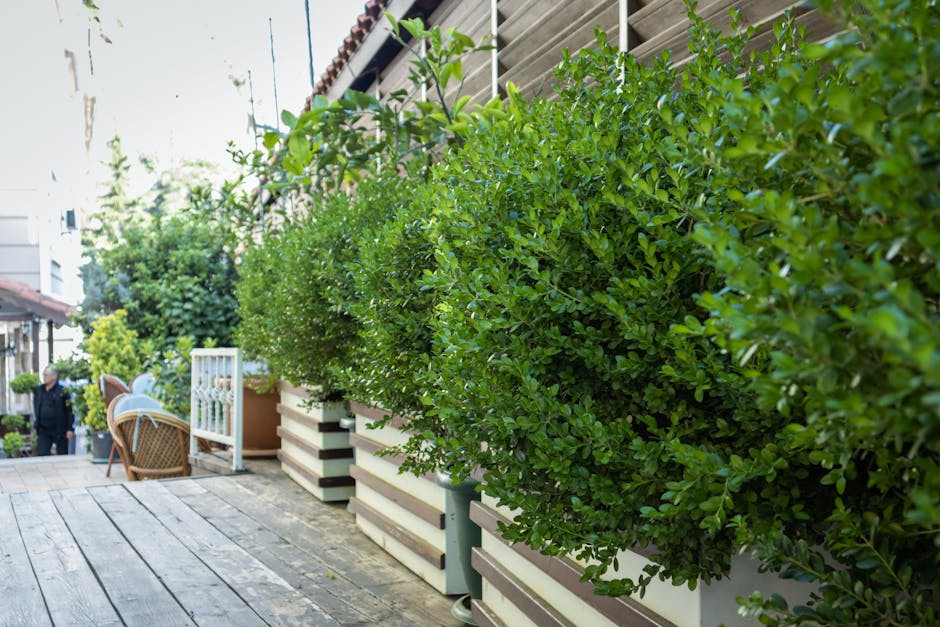
- Improved privacy: screens, climbers, and container planting can soften overlooking from nearby buildings.
- Lower stress upkeep: the right plants and materials reduce constant tidying.
- Stronger visual flow: a cohesive terrace can make indoor and outdoor space feel connected.
- Seasonal interest: careful planting keeps the area attractive through more than one season.
- Better spatial efficiency: small terraces benefit from layout choices that make every corner earn its keep.
There is also a practical value in avoiding rushed decisions. A terrace makeover done without planning can lead to pots that block movement, plants that fail in full wind, or surfaces that become slippery and awkward. Better to slow down at the start than fix mistakes later. That is the boring truth, but it saves money and frustration.
Key takeaway: the best terrace makeovers are designed around the way you live, not just how the space looks in a photo.
Who This Is For and When It Makes Sense
Not every terrace needs a complete redesign. Sometimes a refresh and a few targeted improvements are enough. But a proper makeover makes sense if your current setup feels unfinished, underused, or impossible to maintain.
This service is especially useful for:
- homeowners who want a more polished outdoor entertaining area
- busy professionals who need a low-maintenance terrace that still looks good
- landlords looking to improve presentation without making the space fussy
- flat owners working with compact terraces, balconies, or roof-level outdoor spaces
- people who want more privacy from neighbouring buildings or overlooking windows
- garden owners whose terrace has poor planting, tired pots, or awkward paving
It also makes sense when you keep telling yourself you will sort it "in spring" and then spring becomes August. Happens to the best of us.
If you want a more detailed sense of the company behind the work, you can read about the team and their approach. For anyone planning around safety and peace of mind, the pages on insurance and safety and the health and safety policy are also worth a look.
Step-by-Step Guidance
Here is a simple way to approach a terrace makeover without getting overwhelmed. Think of it as a sequence, not a shopping spree.
- Define the purpose. Decide whether the terrace is mainly for relaxing, dining, planting, family use, or all of the above.
- Measure the space properly. Note widths, awkward corners, door openings, and any level changes. Small details matter a lot on terraces.
- Assess light, shade, and wind. A terrace in constant shade needs a different planting palette from one that catches full afternoon sun.
- Choose a layout. Keep circulation clear. A terrace should feel easy to move through, not like a puzzle.
- Select hard surfaces and containers. Pick materials that suit the style of the property and the amount of maintenance you can manage.
- Plan planting around conditions. Use the right plants for the site, not just the ones that looked nice at the nursery.
- Add screening and structure. Trellis, tall planters, and climbing plants can create a sense of enclosure.
- Finish with lighting and furniture. Use scaled pieces that fit the terrace rather than overpower it.
- Create a care plan. Watering, feeding, deadheading, and seasonal refreshes keep the makeover looking intentional.
A small example: if a terrace gets strong wind off the river corridor, tall lightweight pots may tip or dry out too fast. A heavier container with wind-tolerant planting is usually the better move. Simple, but it makes all the difference.
For clients who want sustainability built in from the start, the recycling and sustainability approach can help shape material choices and waste handling. That is especially useful during a larger refresh where old pots, soil, or broken fixtures need sorting.
Expert Tips for Better Results
After enough terrace projects, a few patterns become obvious. The spaces that age best are usually the ones that keep things slightly restrained and well-proportioned.
1. Use fewer plant types, but use them well
Mixing too many species can make a small terrace look busy. A tighter palette, repeated in different sizes or containers, feels calmer and more deliberate. Repetition helps. So does a bit of breathing room.
2. Think vertical as well as horizontal
On a terrace, wall space is valuable. Climbers, narrow screens, and hanging elements can add softness without eating into the floor area. Just remember to leave access for watering and pruning.
3. Choose pots with purpose
Pots are not just decorative. They affect drainage, root health, weight, and how much attention the space needs. Cheap-looking containers can undermine the whole result, while well-sized ones give the terrace a finished feel.
4. Plan for night use
Even small lighting choices matter. Warm, subtle light makes a terrace usable after dark and gives the planting a softer outline. You do not need anything dramatic. In fact, too much lighting can kill the mood a bit.
5. Leave room for the human body
This sounds obvious, but many terrace layouts forget it. Can you pull out a chair without bumping a pot? Can the door open fully? Can you carry a tray outside without wobbling around a corner? These are the little questions that make a space feel natural.
If you want to talk through a project before committing, the contact page is the sensible next step. And if you are still comparing options, the services overview can help you map out what kind of support is available.
Common Mistakes to Avoid
Terrace makeovers often go wrong in predictable ways. Nothing dramatic. Just a series of small choices that add up to a space that looks fine in theory and awkward in real life.
- Choosing plants for appearance only: a lovely plant that hates wind or shade will struggle.
- Using containers that are too small: plants dry out quickly and look cramped.
- Ignoring drainage: standing water can damage plants and make surfaces messy.
- Overfilling the space: too many pots and features make movement difficult.
- Skipping maintenance planning: a terrace is not "done" once installed.
- Mixing materials without a clear style: the result can feel pieced together rather than designed.
- Forgetting access and weight limits: especially important for upper-level terraces and flats.
One common trap is copying a big-garden look into a small terrace. It rarely translates. Terraces need precision, not excess. A couple of strong moves usually beat a dozen small ones. That is the bit people often resist, because it feels less exciting at first. But it works.
Tools, Resources and Recommendations
A good terrace makeover uses a mix of practical tools and sensible planning resources. You do not need a shed full of gadgets, but a few basics help the project run smoothly.
| Item | Why it matters | Good for |
|---|---|---|
| Measuring tape | Essential for layout, furniture spacing, and container planning | All terrace projects |
| Watering can or hose access plan | Container planting needs regular watering, especially in warmer spells | Planting-heavy terraces |
| Quality pots and planters | Support root health and help the design feel finished | Feature planting and screening |
| Mulch or top dressing | Helps retain moisture and gives a neat finish | Low-maintenance planting |
| Soft lighting | Extends use into the evening and improves atmosphere | Dining or lounge terraces |
| Maintenance schedule | Keeps the makeover looking fresh after installation | All terrace owners |
One often-overlooked resource is a clear quote process. Before work begins, it helps to understand how scope, materials, and aftercare are handled. The pricing and quotes information is useful for that kind of planning. You can also check payment and security details if you want to understand the practical side of booking and paying for work.
Law, Compliance, Standards, or Best Practice
For terrace makeovers, the main compliance concerns are usually practical rather than dramatic. Access, safety, waste handling, and any structural limitations matter more than grand legal theories. If work affects shared spaces, drainage, building fabric, or upper-level areas, it is sensible to check responsibilities carefully before proceeding.
In the UK, good practice generally means using competent tradespeople, handling waste responsibly, avoiding unsafe lifting or unstable installations, and respecting any building or lease requirements that apply to the property. For flats and managed buildings, you may also need permission before changing elements that affect shared areas. That is not the glamorous part, I know, but it saves headaches later.
Safety also matters during the project itself. Tools should be used properly, pathways should stay clear, and heavy items should be planned with care. If you are commissioning work, it is reasonable to ask how risk is managed and how the site is kept safe. The pages on insurance and safety and health and safety policy are useful reference points for that kind of reassurance.
For larger clear-outs or old materials, responsible disposal matters too. A considerate makeover should not leave you with a pile of broken pots and debris sitting around for weeks. Good practice is tidy, controlled, and respectful of the property.
Options, Methods, or Comparison Table
There are several ways to approach a terrace makeover, and the right one depends on budget, time, and how much change you actually want. Sometimes a light refresh is enough. Sometimes the space needs a proper reset. Here is a simple comparison.
| Approach | Best for | Strengths | Limitations |
|---|---|---|---|
| Light refresh | Tidy terraces with decent structure already in place | Quick, cost-conscious, low disruption | Less dramatic impact |
| Planting-led makeover | Spaces that need softness, colour, and privacy | High visual improvement, flexible, relatively adaptable | Needs maintenance planning and watering |
| Layout and furnishing redesign | Terraces with awkward flow or poor usability | Great for function and comfort | May require more careful measuring and investment |
| Full terrace transformation | Spaces that feel tired, cluttered, or underused | Most complete result, strongest change | More planning, more coordination, higher budget pressure |
For most SE16 homes, a planting-led or layout-led approach is the sweet spot. It gives the biggest improvement without turning the project into a full rebuild. Unless the terrace is really struggling, that is often the most sensible path.
Case Study or Real-World Example
Picture a typical Bermondsey Spa terrace: narrow, bright in one corner, shaded near the back, and overlooked from nearby flats. The owner wants to use it more, but not spend every weekend watering twenty pots or constantly sweeping leaves.
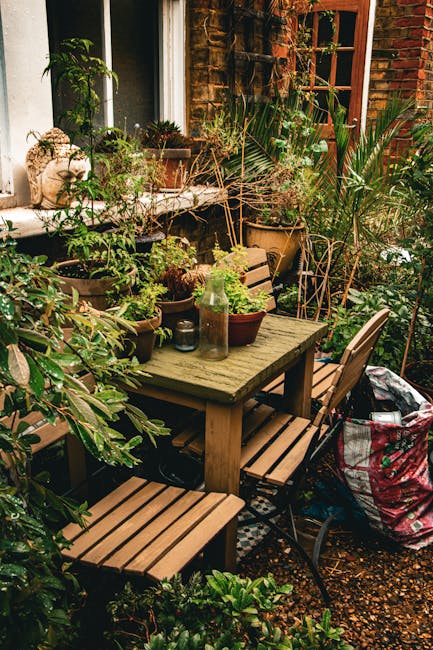
The makeover starts with clearing out mismatched containers and marking out a cleaner route from the back door to the seating area. Instead of filling every inch, the design uses three zones: a small dining spot near the door, a planting edge for soft screening, and a quieter end section with taller pots and layered foliage. The planting choice focuses on species that cope with container life and London conditions rather than delicate showpieces that would sulk after the first windy week.
By the time everything is in place, the terrace feels more spacious even though it has gained features. That is the little trick people love when it works: the space looks fuller, but moves better. There is room to breathe. Room to sit. Room to actually live there.
The owner's main feedback? They started using the terrace on weekday evenings instead of saving it for rare weekends. That, honestly, is what a good makeover should do.
Practical Checklist
Use this checklist before starting a terrace makeover in SE16. It keeps the project grounded.
- Measure the terrace accurately, including doors and awkward corners
- Note sunlight, shade, wind, and any wet or dry spots
- Decide the main use: dining, relaxing, planting, privacy, or a mix
- Choose a style that suits the property and the amount of upkeep you want
- Check access for materials, tools, and waste removal
- Confirm whether any permissions or building rules apply
- Select suitable containers with enough depth and stability
- Plan drainage and watering before planting begins
- Keep circulation space clear
- Choose a maintenance routine you can genuinely stick to
- Ask for clear pricing and scope before work begins
- Set aside a small budget buffer for the unexpected
Quick reminder: a terrace makeover is at its best when it feels easy to live with. If it looks amazing but is awkward to use, the job is not really finished.
Conclusion
SE16 gardens and terraces often have limited space, but limited does not mean limited potential. With thoughtful planning, the right planting, and a layout that respects the way you live, a terrace can become one of the most useful parts of your home. That is the real win: a space that looks lovely and earns its keep day after day.
Whether you need a simple refresh or a fuller redesign, the best next step is to focus on function first, then shape the style around it. Keep the plan realistic, keep the scale right, and do not be afraid to leave a little open space. Strange as it sounds, that is often what makes a terrace feel generous.
Get a free quote today and see how much you can save.
If you are ready to explore a tailored terrace makeover, start with the team's contact page and ask about a design-led approach that suits your SE16 property. A good terrace can lift the whole home, and once it clicks into place, you will wonder why you waited so long.
Frequently Asked Questions
What do SE16 gardeners for terrace makeovers by Bermondsey Spa usually include?
They usually cover planning, planting, container selection, layout improvements, screening, and finishing touches such as lighting or maintenance advice. The exact scope depends on the terrace size and how much change you want.
How long does a terrace makeover normally take?
It depends on the scale of the project. A light refresh may be quick, while a full redesign with planting and layout changes takes longer. Access, weather, and material availability can all affect timing too.
Can a small terrace really be made to look bigger?
Yes. Clear circulation, repeated planting, vertical features, and the right furniture scale can make a compact terrace feel more open. Sometimes removing clutter does more than adding features.
What plants work best for terrace makeovers in SE16?
That depends on light, wind, and whether the space is exposed or shaded. In general, container-friendly plants with manageable roots and a tidy growth habit are a good starting point. A site-specific choice is always better than a generic one.
Do I need planning permission for a terrace makeover?
Many terrace refreshes do not involve planning permission, but rules can change if you are affecting shared structures, building fabric, or a managed property. If in doubt, check the property and lease arrangements before work begins.
How do I keep a terrace low maintenance?
Use tough plants suited to the site, choose containers that retain moisture well, keep the layout simple, and create a basic care routine. Low maintenance does not mean no maintenance, but it can be very manageable.
Is it worth investing in lighting for a terrace?
Usually, yes. Subtle lighting makes the terrace more usable in the evening and can improve the atmosphere without taking up floor space. Warm, restrained lighting tends to work best.
What should I ask before booking a terrace makeover?
Ask what the project includes, how the design will suit your conditions, how waste is handled, what maintenance will be needed, and how pricing is structured. Clear answers at the start save confusion later.
How do I compare terrace makeover options?
Compare them by function, budget, upkeep, and how much visual change you want. A planting-led approach may be enough for one terrace, while another may need a full layout rethink. The right choice is the one that fits the space and your lifestyle.
Can terrace makeovers help with privacy?
Yes. Taller planters, screening, layered planting, and climbers can reduce overlooking and make the space feel more enclosed. It is one of the most common reasons people start the project in the first place.
What if my terrace gets a lot of wind?
Then you need heavier containers, wind-tolerant plants, and a layout that avoids unstable items. Wind is a big factor in London terraces, and ignoring it is a fast route to broken pots and unhappy plants.
How do I get started with a terrace makeover in Bermondsey Spa?
Start by measuring the space, deciding how you want to use it, and gathering a few reference ideas. Then speak to a local gardening team that understands terrace conditions and can help turn the plan into something practical.