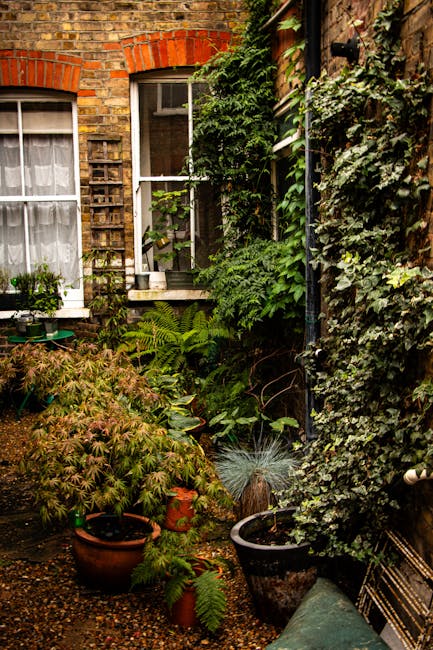
Bermondsey Street gardener guide for small courtyard gardens
If you are trying to make a small courtyard feel calm, green, and genuinely usable, you already know the challenge: there is never quite enough space, the light can be awkward, and one wrong plant choice can make the whole thing feel cramped. That is exactly where a Bermondsey Street gardener guide for small courtyard gardens becomes useful. In a tight London outdoor space, good gardening is less about adding more and more, and more about making every inch work hard without feeling busy. The best results are usually simple, thoughtful, and a little bit stubborn in the face of shade, paving, and privacy issues.
In Bermondsey, courtyards often need a mix of planting, structure, drainage awareness, and low-maintenance planning. That sounds technical, but it does not have to be complicated. This guide walks through how a small courtyard can be transformed, what to prioritise, which mistakes to avoid, and when it makes sense to bring in a local professional. If you are comparing options, you may also find it helpful to look at the services overview and the pricing and quotes information before making a decision.
Expert summary: the best small courtyard gardens in Bermondsey Street are usually built around structure first, planting second, and maintenance last. That order matters. Get the bones right, and the rest becomes much easier to keep beautiful through rain, shade, and the odd London heatwave. Truth be told, that's the bit people often skip.
Table of Contents
- Why Bermondsey Street gardener guide for small courtyard gardens Matters
- How Bermondsey Street gardener guide for small courtyard gardens Works
- Key Benefits and Practical Advantages
- Who This Is For and When It Makes Sense
- Step-by-Step Guidance
- Expert Tips for Better Results
- Common Mistakes to Avoid
- Tools, Resources and Recommendations
- Law, Compliance, Standards, or Best Practice
- Options, Methods, or Comparison Table
- Case Study or Real-World Example
- Practical Checklist
- Conclusion
- Frequently Asked Questions
Why Bermondsey Street gardener guide for small courtyard gardens Matters
Small courtyards in Bermondsey Street are usually doing double or triple duty. They may be places to sit with a coffee, dry laundry on occasion, store a bike, give children a bit of fresh air, or simply make a flat feel less boxed in. A courtyard that looks good but functions badly becomes frustrating very quickly. The same goes for a space that is practical but visually flat. You want both.
This matters especially in central London, where outdoor space is precious and often overlooked. A courtyard can feel like an afterthought if it is full of mismatched pots, tired paving, and awkward corners where nothing thrives. A skilled Bermondsey Street gardener thinks differently. They look at the whole space: drainage, aspect, privacy, shade, planting scale, and how the garden will actually be used from one season to the next.
In our experience, people often think they need a big redesign when they really need sharper editing. Removing one or two oversized containers, improving the soil, and choosing a smaller palette of plants can change everything. Not glamorous. Very effective.
There is also a maintenance angle. A compact courtyard is easier to care for than a larger garden, but only if it has been designed sensibly. If planting is too dense, watering becomes a chore. If paving has poor drainage, moss and slip risks creep in. If there is no structure, the garden looks messy by November and stays that way until spring. A good plan avoids all that.
How Bermondsey Street gardener guide for small courtyard gardens Works
The work usually starts with a simple assessment of what the courtyard already does well and where it struggles. That might sound obvious, but it saves a lot of time. A gardener will normally look at:
- how much direct light the space receives
- where rainwater collects or drains away
- how much usable floor space is needed for seating or access
- which walls are warm, cold, sheltered, or exposed
- what level of maintenance the owner can realistically keep up
From there, the design is shaped around constraints, not against them. That is the big difference. In a Bermondsey courtyard, a north-facing wall is not a failure; it is an opportunity for shade-tolerant planting. A narrow terrace does not need a full lawn replacement. It might need vertical planting, lightweight containers, and a repeated rhythm of textures to create calm.
A practical small-courtyard process often includes planning the hard landscaping first. This could mean cleaning or repairing paving, adding raised beds, improving edging, or creating a better surface for containers. Only after that do the planting choices really come into focus. If you plant first and solve structure later, you usually end up disturbing roots and redoing work. Bit of a false economy, that.
In many cases, the final step is maintenance planning. That means deciding what needs monthly attention, what can be left to establish, and which areas should be seasonal refresh points rather than permanent displays. For a small courtyard, this is crucial. A garden that looks stunning for two weeks and then declines is not actually doing its job.
Key Benefits and Practical Advantages
A well-designed small courtyard offers more than good looks. It changes how the property feels and how it is used day to day. Here are the main advantages that tend to matter most.
- Better use of limited space: every corner earns its keep, from narrow strips along a wall to awkward shaded spots.
- Improved privacy: thoughtful planting, screens, and layered height can soften overlooking windows without making the area feel enclosed.
- Reduced maintenance stress: a compact planting plan is easier to water, prune, and refresh than a cluttered pot collection.
- Stronger first impression: a tidy, living courtyard makes a property feel cared for, which matters whether you live there or rent it out.
- Better year-round appeal: evergreen structure, bark texture, and winter interest keep the garden from disappearing in colder months.
- More usable outdoor living: seating, lighting, and plant placement can make even a tiny courtyard feel like an extra room.
There is also a softer benefit that people often notice after the work is done. The space becomes quieter somehow. Not literally quieter, of course, but visually calmer. Fewer random objects. Less noise in the planting. More intention. You sit down and the space feels like it has a point.
Who This Is For and When It Makes Sense
This kind of guidance is ideal for homeowners, landlords, tenants with permission to improve a courtyard, and anyone managing a compact outdoor space attached to a flat or townhouse. It is especially useful if the area has been neglected for a while and now feels difficult to rescue without a plan.
You may benefit from a Bermondsey Street gardener if your courtyard has one or more of these issues:
- patchy or plant-unfriendly shade
- pots that dry out too quickly in summer
- slippery paving or drainage problems
- not enough privacy from neighbouring windows
- plants that outgrew the space years ago
- no clear seating or circulation layout
- a general sense that the space is cluttered rather than curated
It can also make sense if you simply do not want a garden that demands constant attention. Small courtyards can become surprisingly time-consuming if they are planted badly. A sensible professional design keeps the maintenance level aligned with your actual lifestyle, not your idealised one. There's no shame in wanting a garden that looks good without turning weekends into hedge-manicure theatre.
If you are still working out whether to use a professional, review the company's about us page to understand how they work, and check the insurance and safety information if you want reassurance around site practices and responsibility.
Step-by-Step Guidance
Here is a practical approach to improving a small courtyard garden without overcomplicating it.
1. Start with a clear purpose
Ask what the courtyard should do most often. Is it for morning coffee, entertaining, a bit of green view from inside, or a low-fuss retreat? If you do not decide this early, the garden ends up trying to do everything at once, and that rarely works.
2. Measure the space properly
Measure the key usable areas, not just the full perimeter. Note doors, steps, drains, vents, storage, and anything fixed. Even a 20cm strip matters in a small garden. In tight spaces, the sketch is often more helpful than the memory.
3. Assess light and shelter
Watch the space at different times of day if you can. Morning light, lunchtime sun, and late afternoon shade all affect plant choice. A courtyard that looks bright at 2pm may be surprisingly gloomy by 5pm. London buildings are good at creating microclimates, for better or worse.
4. Decide what stays and what goes
Keep only the elements that earn their place. Good paving, a useful bench, a strong planter, or a healthy evergreen may stay. Broken pots, overcrowded containers, and tired garden ornaments can usually go. This is where the garden starts to breathe again.
5. Fix the hard surfaces first
Before planting, deal with weed growth, loose joints, slippery areas, and drainage issues where possible. If surfaces are damaged, it makes sense to correct them before investing in new planting. Otherwise, the nice bits spend their life compensating for the messy bits.
6. Choose a restrained planting palette
Pick a small number of plants and repeat them. Repetition creates calm and makes a tiny courtyard look designed rather than improvised. Mix evergreen structure with seasonal interest, and avoid buying one of everything from the nursery. Tempting, yes. Helpful, not always.
7. Add vertical layers
In small spaces, height matters. Wall planting, climbers, trellis, and taller containers can create privacy and depth without using up floor area. Vertical planting is one of the best tricks in the book, honestly.
8. Build in easy maintenance
Make sure containers are accessible, watering points are practical, and pruning is not awkward. If a plant can only be reached by climbing over three other pots, it will become a problem later. That is just how gardens behave.
9. Finish with lighting and details
Subtle lighting, a good seating surface, and a couple of high-quality containers often matter more than a huge plant list. Small courtyards thrive on restraint. The last 10% of detail usually gives the biggest lift.
Expert Tips for Better Results
A few field-tested habits make a big difference in Bermondsey Street courtyard gardens.
- Use repetition with plants and materials. Two or three container styles usually look better than seven.
- Lean into shade if you have it. Ferns, evergreen structure, and soft-textured plants can make shade feel deliberate instead of limiting.
- Choose containers with enough depth. Shallow pots dry out quickly and restrict roots. A deeper pot is often easier to manage.
- Group pots in odd numbers. Three or five often feels more natural than two or four. Small detail, big visual payoff.
- Keep one focal point only. Too many focal points in a small courtyard creates visual noise.
- Think scent carefully. In a compact space, a little goes a long way. One good scented plant near a seating area can be enough.
- Leave room for air movement. Plants packed too tightly can struggle with airflow and look congested.
One practical observation: courtyards near Bermondsey Street often benefit from plants that can handle a bit of urban grit. Dust, reflected heat, wind funnels, and occasional neglect are all part of the deal. The tough ones earn their place.
If you want a garden that stays attractive across the year, ask about green waste handling and environmentally thoughtful upkeep through the recycling and sustainability page. It is a small detail, but it speaks volumes about how a company works.
Common Mistakes to Avoid
Small courtyard gardens tend to fail in predictable ways. The good news is that most of them are avoidable.
Buying too many different plants
Variety sounds appealing, but too much variety makes a tiny garden look busy and unplanned. Repetition is your friend.
Ignoring drainage
Water pooling near paving or container bases can lead to slippery surfaces, poor plant health, and extra mess. It is not glamorous, but drainage is one of the most important checks.
Choosing the wrong scale
Oversized furniture or giant containers can overwhelm a courtyard. On the other hand, tiny pots scattered everywhere can look fussy and underpowered. Scale matters more than people expect.
Underestimating maintenance
A courtyard may be small, but it still needs pruning, watering, feeding, and seasonal tidying. If you want a low-maintenance space, say so early and design for it.
Blocking access routes
It is easy to forget how often you need to open doors, move bins, or reach a tap. Keep circulation clear, even if the space is tight.
Forgetting winter structure
Many gardens look good from May to September and then lose all definition. Evergreens, bark, evergreen climbers, and architectural shapes help keep things intact through the colder months.
And yes, people do sometimes buy plants just because they looked charming on a sunny Saturday. We have all been there. The trick is to pause and ask whether the plant will still earn its keep when the weather turns and the space feels twice as small.
Tools, Resources and Recommendations
For a small courtyard, you do not need a van full of kit. A careful selection of basic tools and materials is usually enough.
- Hand fork and trowel: for potting, soil work, and small-scale planting
- Bypass secateurs: useful for clean pruning cuts on smaller stems
- Watering can or compact hose setup: especially important for container gardens
- Weed knife or patio scraper: for keeping joints and edges tidy
- Quality compost and topsoil: container gardens depend on good growing medium
- Mulch: helps retain moisture and reduce weeds
- Simple soil moisture check: your finger works fine, to be fair, though some people prefer a tool
For design and service planning, the most useful resources are often the ones that help you compare options sensibly. The services overview can help you understand the scope of support available, while pricing and quotes gives you a better sense of how work is typically structured. If you want to check who you are dealing with and how they operate, the about us page is a good place to start.
For practical service questions or to book a visit, use the contact us page. If you have concerns around standards, you can also review the health and safety policy and the terms and conditions. Those pages are not the exciting part, obviously, but they matter.
Law, Compliance, Standards, or Best Practice
For courtyard gardening, the legal side is usually lighter than for construction or major landscaping, but best practice still matters. If work involves tools, access through shared areas, waste removal, or any changes near boundaries, a professional should be careful about safety, property protection, and good neighbourly practice.
In a London setting, it is sensible to think about:
- Access and permissions: especially for flats, shared courtyards, and leasehold properties
- Trip and slip risks: wet paving, loose edging, and hoses can create avoidable hazards
- Waste handling: green waste should be removed responsibly and in line with agreed arrangements
- Insurance: contractors should have appropriate cover for the type of work they undertake
- Working around neighbours: noise, shared entrances, and privacy all need a bit of care
If a gardener is visiting your property, it is reasonable to ask how they handle safety and security on site. The insurance and safety page and the health and safety policy are useful trust signals. For service expectations, you can also review payment and security and the complaints procedure, because a professional business should be transparent about how issues are handled.
Best practice is often about small things done consistently: tidy work areas, sensible plant selection, careful disposal of waste, and clear communication if weather or access changes the plan. Not especially dramatic. Very effective, though.
Options, Methods, or Comparison Table
Different approaches suit different courtyards. Here is a simple comparison to help you think through the options.
| Approach | Best for | Pros | Trade-offs |
|---|---|---|---|
| Container-led design | Very small, paved, or rented spaces | Flexible, easy to refresh, good for mixed light conditions | Needs regular watering and can become cluttered if overused |
| Border-and-patio mix | Courtyards with a little soil depth or raised beds | Feels more planted and permanent, often more cohesive | Less flexible, and bed construction must be done well |
| Vertical garden focus | Spaces needing privacy or visual height | Saves floor space, adds screening, creates depth | Can look sparse if not balanced with lower planting |
| Minimal evergreen scheme | Low-maintenance households and shaded spaces | Reliable, tidy, year-round structure | Can feel plain if texture and shape are not varied |
In many Bermondsey Street gardens, the winning formula is a hybrid: a few larger containers, one or two climbing features, and a restrained evergreen base. That combination usually feels calm and practical without looking stark.
Case Study or Real-World Example
Picture a narrow courtyard behind a Bermondsey Street flat. The space has pale paving, one brick wall, a small drain, and almost no direct afternoon sun. It currently holds six mismatched pots, two of which are cracked, plus a bench that never quite fits where it is. The overall feeling is not terrible, but it is restless. Everything seems to be competing for attention.
A sensible redesign would probably begin by reducing the number of containers, keeping just the best ones, and introducing a repeated planting scheme. A climber on the wall would soften the brick and create a sense of height. Shade-tolerant evergreen plants could anchor the space, while one or two seasonal plants would add change without chaos. The bench might shift to a quieter corner so the centre stays open.
After that, the garden would feel much larger. Not bigger, exactly, but better proportioned. You would notice the sound of water from a watering can, the texture of leaves close to the wall, and a clearer path across the paving. These are tiny changes individually. Together, they transform the mood.
That is the real point of courtyard gardening. It is not about cramming in more. It is about editing well.
Practical Checklist
Use this checklist before starting work on a small courtyard garden in Bermondsey Street.
- Confirm the main purpose of the space
- Measure usable areas, access points, and fixed features
- Check light levels at different times of day
- Review drainage and any slippery paving
- Decide what stays, what is replaced, and what should be removed
- Choose a small, repeated plant palette
- Add vertical structure where privacy or height is needed
- Make sure containers are a sensible size and easy to water
- Plan for seasonal maintenance rather than one-time beauty only
- Check service, insurance, and safety information before hiring help
- Ask for a clear quote and timeline before work begins
- Consider recycling or reuse options for old pots and plant material
If you want to get started, a quick review of the recycling and sustainability page and the contact us page can make the next step much simpler.
Conclusion
A Bermondsey Street gardener guide for small courtyard gardens is really a guide to making limited space feel generous. That is the heart of it. The best courtyard gardens do not shout. They feel settled, intentional, and easy to live with. They make a flat warmer in winter, quieter in summer, and nicer to look at all year round.
If you focus on structure, scale, drainage, and a restrained planting plan, the space will reward you. If you want to compare service options, the practical next step is to look at the services overview and request a clear, tailored estimate through the pricing and quotes information. Small gardens deserve proper thinking too.
Get a free quote today and see how much you can save.
And if you are standing in your courtyard right now, wondering whether it is worth the effort, the honest answer is yes. A well-tended small space can be quietly brilliant.
Frequently Asked Questions
What makes a Bermondsey Street courtyard garden different from a typical suburban garden?
Courtyard gardens in Bermondsey Street are usually smaller, more enclosed, and more exposed to reflected heat, shade from buildings, and privacy issues. They need sharper planning and more disciplined planting than a larger garden.
How do I make a small courtyard look bigger?
Use fewer materials, repeat plants, keep the centre open, and add vertical height with climbers or screening. A limited palette almost always makes the space feel calmer and larger.
What are the best plants for a shady courtyard?
Shade-tolerant evergreens, ferns, and plants with strong leaf texture usually perform well. The exact choice depends on how much light the garden gets and whether the space stays damp or dry.
Do small courtyard gardens need a lot of maintenance?
Not necessarily. A well-designed courtyard can be fairly low-maintenance, but only if plant choices, container sizes, and drainage are planned properly from the start.
Is it better to use pots or build raised beds?
Pots are flexible and ideal for very small or rented spaces. Raised beds feel more permanent and can be better if you want a stronger planting structure. Many gardens use a mix of both.
How often should a small courtyard be watered in summer?
It depends on plant choice, container size, and weather, but containers in small courtyards often need more frequent watering than people expect. Deep pots and mulch help reduce the load.
Can a professional gardener help with design as well as maintenance?
Yes, many can help with both. It is often sensible to ask whether they handle layout planning, planting selection, ongoing care, and seasonal refreshes before booking.
What should I ask before hiring a local gardener?
Ask about experience with small spaces, insurance, safety practices, waste handling, pricing, and how they approach low-maintenance courtyard design. Those details matter more than a flashy pitch.
How much should I budget for a small courtyard garden project?
Costs vary depending on the amount of planting, hard landscaping, materials, and labour involved. For a sensible starting point, request a tailored quote rather than relying on a guess.
What if my courtyard has poor drainage?
Poor drainage should be addressed early, because it affects plant health, safety, and surface condition. Sometimes the fix is simple; sometimes it needs a more involved solution. Either way, it should not be ignored.
Are there any special rules for working in shared or leasehold outdoor spaces?
Yes, you may need permission for certain changes, especially if the area is communal or forms part of a leasehold arrangement. If in doubt, check the relevant property documents before making alterations.
How can I keep the garden looking good through winter?
Choose plants with evergreen structure, add textured materials, and avoid relying only on summer flowers. A good winter courtyard feels intentional, not empty.
For more information about the business behind the service, you can review the about us, privacy policy, and terms and conditions pages. If you need to raise a concern, the complaints procedure is also available.